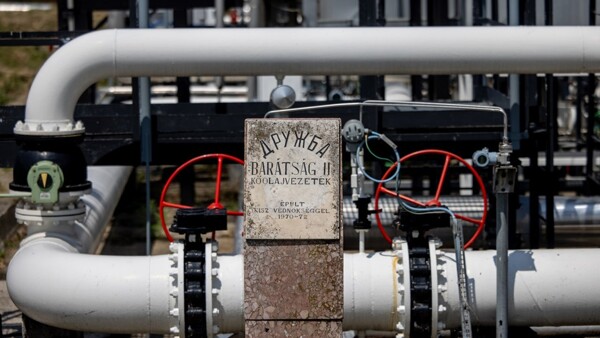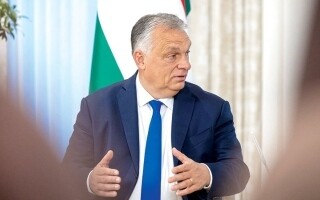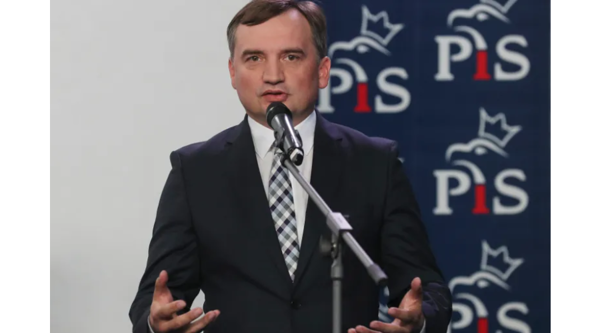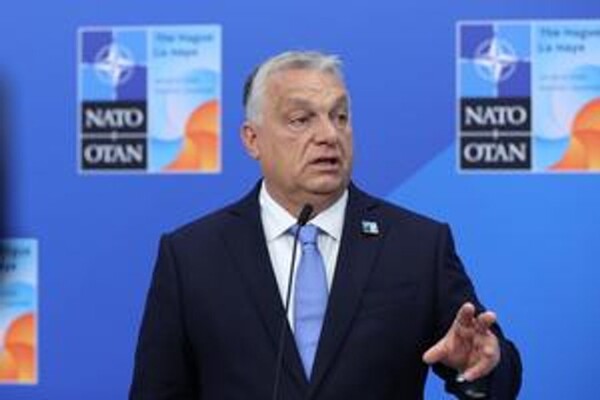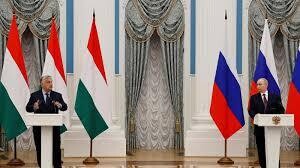
The news hit the political heart of Brussels directly, as it is no longer just about the well-known closeness of Viktor Orbán to Vladimir Putin, but about the suspicion that a member state may have acted as a channel for sensitive information to the Kremlin at a time of confrontation between Europe and Russia. According to the investigation cited by several European and American media, Szijjártó would have repeatedly informed his Russian counterpart, Sergei Lavrov, about internal discussions held behind closed doors by the Twenty-seven, even during breaks in meetings in Brussels. But that defensive maneuver did not change the core of the problem: the suspicion that Russia may have had access, thanks to an allied government within the EU and NATO, to the bloc's reserved deliberations at one of the most tense moments of the war. For the European Union, the damage is already done, although the accusation is still denied by Budapest. In an Europe that seeks to contain the invading Russian power and preserve a common front against Putin, such behavior would be much more than a diplomatic indiscipline. It would, plainly and simply, be a political betrayal of the European project. If confirmed, the case would not only show a serious security leak: it would prove that the Kremlin had an internal window in the European building itself while the rest of the bloc tried to maintain sanctions, financial aid and military support for Kyiv. In the current climate of the EU, the very idea that a European partner may have acted as Putin's ears and mouth within the common institutions is seen as an act of disloyalty of extraordinary severity. The scandal did not fall on neutral ground. The Hungarian government rejected the accusation and called it 'fake news', but the chancellor himself later admitted that he maintains regular contacts with Lavrov even during private EU meetings, an explanation that far from extinguishing the fire ended up reinforcing the political alarm in the bloc. The community's reaction was immediate. Prime Minister Donald Tusk stated that in Warsaw they had long suspected that Hungary was sharing information with Moscow, a devastating statement because it comes from one of the governments most committed to the defense of Ukraine and to a hard line against the Kremlin. In recent days, European leaders such as Ursula von der Leyen, Antonio Costa and several heads of government have attacked Orbán for blocking the bloc's strategic decisions in the name of an energy dispute and his old policy of rapprochement with Moscow. Hungary was already deeply isolated for its blocking of a 90 billion euro European loan for Ukraine and its resistance to new sanctions against Russia. The European Commission asked Budapest for urgent clarifications and described the reports of leaks to Russia as 'worrying'. Brussels, March 24, 2026 - Total News Agency - TNA - The European Union is going through one of its most delicate crises of confidence since the start of the war in Ukraine after a journalistic investigation claimed that Hungarian Foreign Minister Péter Szijjártó passed on confidential details of EU Council meetings to Moscow for years. In parallel, Poland spoke openly of treason. That is why in Brussels many are reading this new accusation not as an anomaly, but as the crudest expression of a behavior that for some time has been eroding European unity from within. The political dimension of the case is also aggravated by the Hungarian electoral context. A few weeks before the April 12 elections, opposition leader Péter Magyar promised to investigate the episode as a possible act of 'treason', while Orbán ordered an investigation into alleged espionage on his chancellor's phone, attempting to shift the focus to an external operation.